Mine du Fossa
Puy-Saint-André
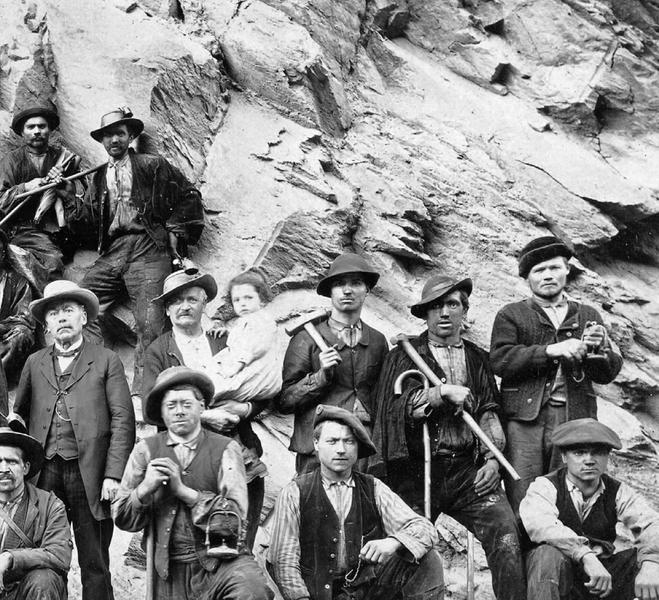





Ainsi, grâce au charbon, les habitants peuvent se chauffer et remplacer le bois devenu inaccessible.
L’anthracite, le plus souvent poussiéreux, se façonne alors aisément et devient un «pétri» que l’on enfourne dans les poêles pendant l’hiver et pour faire la cuisine. Qui plus est, de nombreux habitants trouvent alors une activité qui vient s'inscrire dans les mécanismes si importants de la pluriactivité, gardant ces hommes au pays, leur évitant la migration temporaire ou définitive.
Dans ce monde des mines paysannes briançonnaises au XIXème siècle, la plupart sont des mines communales concédées au commune ou aux hameaux en leur nom. Le charbon est réservé aux membres de la communauté, à prix fixe, délibéré en assemblée. Chacun peut creuser son trou pour «faire son charbon» pour l’hiver, le plus souvent s’associant à un membre de la famille. La vente à l’extérieur n’est autorisée qu’une fois les habitants satisfaits. La ressource est gérée par la commune pour le seul, ou presque, bénéfice de ses habitants, comme un bien commun classique (alpages, forêts,...). Puy Saint André a ceci de particulier que la commune propose un modèle de « communalisme » poussé, le plus radical de tout le briançonnais.
Ces mines sont ouvertes seulement l’hiver, pendant que l’activité agricole reste en sommeil. On creuse alors partout, au gré des caprices de la géologie, sans plan d’ensemble pour découvrir ce précieux minéral, avec des techniques sommaires, quasi proto-historiques. Qualifiés de trous, les galeries sont mal boisées, tracées dans la pente et s’inondant, obligeant à creuser à nouveau l’année d’après à peine plus loin.
L’anthracite, le plus souvent poussiéreux, se façonne alors aisément et devient un «pétri» que l’on enfourne dans les poêles pendant l’hiver et pour faire la cuisine. Qui plus est, de nombreux habitants trouvent alors une activité qui vient s'inscrire dans les mécanismes si importants de la pluriactivité, gardant ces hommes au pays, leur évitant la migration temporaire ou définitive.
Dans ce monde des mines paysannes briançonnaises au XIXème siècle, la plupart sont des mines communales concédées au commune ou aux hameaux en leur nom. Le charbon est réservé aux membres de la communauté, à prix fixe, délibéré en assemblée. Chacun peut creuser son trou pour «faire son charbon» pour l’hiver, le plus souvent s’associant à un membre de la famille. La vente à l’extérieur n’est autorisée qu’une fois les habitants satisfaits. La ressource est gérée par la commune pour le seul, ou presque, bénéfice de ses habitants, comme un bien commun classique (alpages, forêts,...). Puy Saint André a ceci de particulier que la commune propose un modèle de « communalisme » poussé, le plus radical de tout le briançonnais.
Ces mines sont ouvertes seulement l’hiver, pendant que l’activité agricole reste en sommeil. On creuse alors partout, au gré des caprices de la géologie, sans plan d’ensemble pour découvrir ce précieux minéral, avec des techniques sommaires, quasi proto-historiques. Qualifiés de trous, les galeries sont mal boisées, tracées dans la pente et s’inondant, obligeant à creuser à nouveau l’année d’après à peine plus loin.